Engender blog
Guest Blog: How the rising cost of living is affecting older women in Scotland
In this guest blog, Louise Brady from Independent Age shares what we can learn from the Older People’s Economic Wellbeing Index, and the need for change to tackle the impact on women.
While media and political attention on the high cost of living seems to come and go, the crisis hasn’t gone anywhere. Older people across Scotland, particularly older women, continue to be affected at scale.
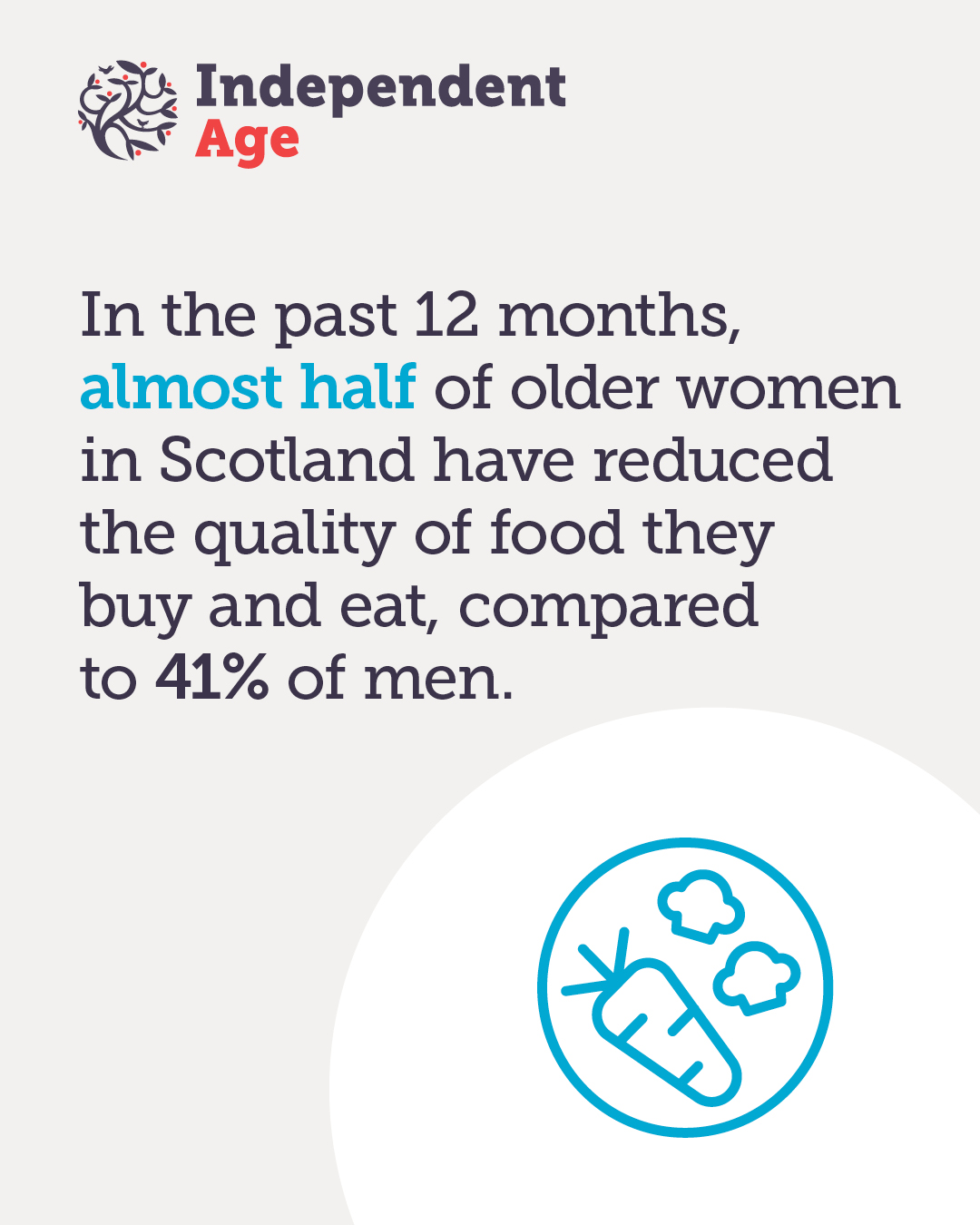 In 2026, almost a third of older women skipped meals at some point, half reduced the quality of food they bought, and 6 in 10 cut back on their heating – all because of financial difficulties.
These shocking statistics come from the second edition of Independent Age’s annual Older People’s Economic Wellbeing Index, where we track the income, costs, housing issues, quality of life and feelings of political representation experienced by people over State Pension age in Scotland.
The State Pension as the sole source of income
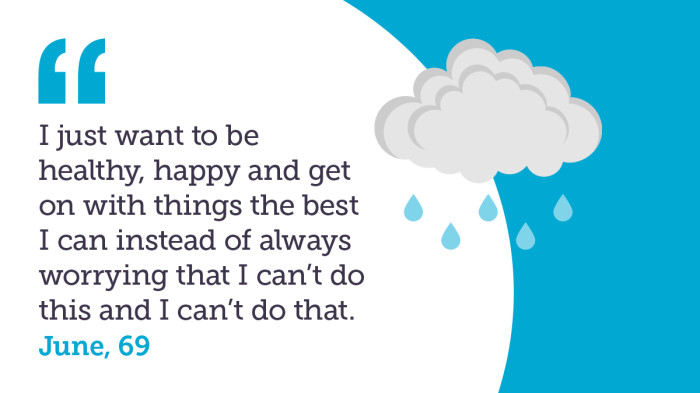
Our Index also shares the stories of older people, like June who is 69 and lives by herself. June shares the impact that rising supermarket costs have on whether she can eat healthy food, and how she often stocks up on instant noodles as a back-up option. She is behind on paying bills and is in arrears with rent and Council Tax. June doesn’t have any savings and, because she’s not eligible for Pension Credit, the State Pension is her only income. Behind every number in the Index are real people like June.
And it’s not uncommon for older people in Scotland - including June - to live on the State Pension as their only income, with women more likely to be in this position. The 2026 Index found that while over a third of older women don’t receive any income from workplace pensions, this drops to a quarter of men. Women are also less likely to receive any income from personal pensions, with less than 1 in 5 doing so compared to more than 1 in 4 men.
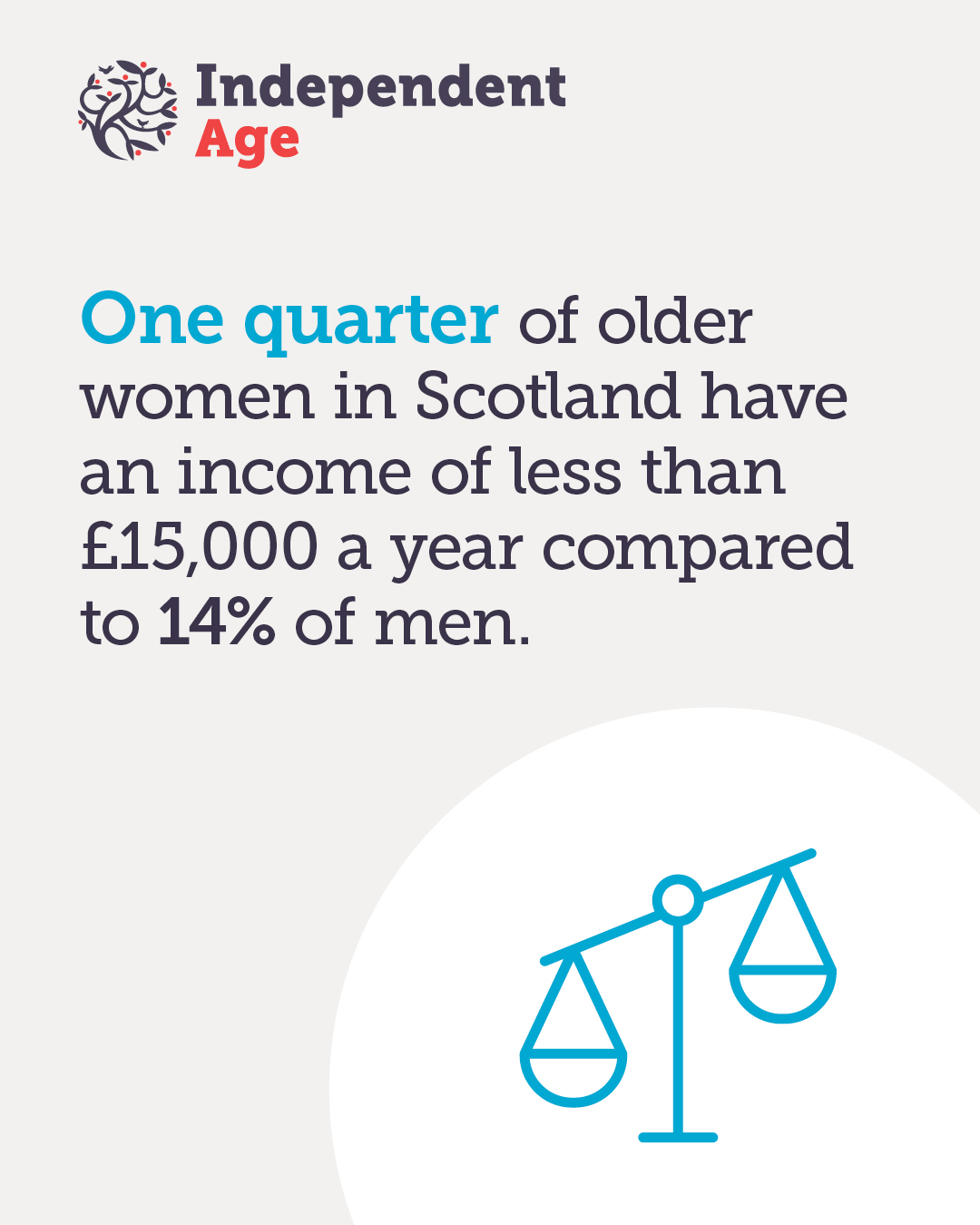
When it comes to the income levels of older women, the 2026 Index found 1 in 4 older women live on an income of less than £15,000 a year, compared to 1 in 7 men.
You can read more about why women experience pension inequality in this previous blog, which also discusses the inaugural findings of this research series.
 Millions of pounds are going unpaid
There is more to be done to ensure that the systems we have in place are accessible to people who are above current eligibility thresholds, but who are on a low income, like June. We also know that there is much more that both the UK and Scottish Governments could be doing to improve access to and take-up of payments like Pension Credit and the winter heating payments.
Later this year, the Scottish Government will publish its refreshed strategy on how it will increase take-up of devolved social security payments. It’s welcome that Scotland has such a strategy. The equivalent doesn’t exist at a UK level. But as the figures show, there is much more to do. Currently over £150 million in Pension Credit goes unpaid and unclaimed every year – it’s vital to note Pension Credit is used to decide on eligibility to other payments administered by Social Security Scotland, such as Winter Heating Payment.
For Scotland’s pensioners, it’s crucial the strategy recognises the links between take-up of UK and Scottish administered payments and takes a holistic approach to increasing take-up of all payments available to older people. Later this year, we’ll publish new research that shows the scale of unpaid social security in Scotland, covering Pension Credit, Housing Benefit and Council Tax Reduction, alongside the preventative spending impacts of maximising take-up.
Next steps for reducing pensioner poverty
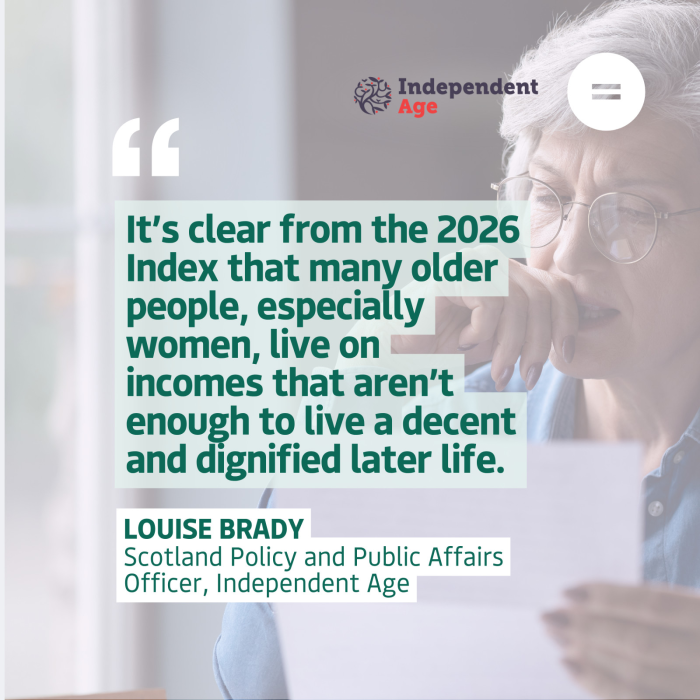
It’s clear from the 2026 Index that many older people, especially women, live on incomes that aren’t enough to live a decent and dignified later life. There are concerns about the years to come too, with just 6% of pensioners in Scotland today confident that the State Pension will cover basic living expenses in the future.
While the UK Government must ensure that the State Pension and Pension Credit are set at adequate rates, there are devolved powers that can be used to help older people who live on low incomes. For example, more financial support should be given to older carers, who often lose any additional support when they reach State Pension age. The 2026 Index shows that 1 in 5 older women provide unpaid care, and around half of this group do so for over 20 hours per week.
The urgent need for action to improve the economic wellbeing of older women in Scotland is clear. We’re calling on the Scottish Government to act on the evidence and introduce a pensioner poverty strategy in their first Programme for Government of the parliamentary session.
You can read the Older People’s Economic Wellbeing Index: Scotland 2026 from Independent Age here.
If you’re over State Pension age and struggling financially, you can find information from Independent Age on their website or you can call their Helpline on 0800 319 6789. To hear more about Independent Age’s policy and public affairs work in Scotland, please contact Scotlandpublicaffairs@independentage.org
Guest posts do not necessarily reflect the views of Engender, and all language used is the author’s own. Bloggers may have received some editorial support from Engender, and may have received a fee from our commissioning pot. We aim for our blog to reflect a range of feminist viewpoints, and offer a commissioning pot to ensure that women do not have to offer their time or words for free.
Interested in writing for the Engender blog? Find out more here.
Share this post on …
Comments: 0 (Add)
 RSS
RSS
Newsletter
Sign up to receive our newsletter here:
Sign up to our mailing list
Receive key feminist updates direct to your inbox: