Engender blog
Research shows record number of women MSPs standing down ahead of election
Ahead of the upcoming Scottish Parliament elections on 7th May, today Engender is publishing our new paper exploring why women MSPs are stepping down, and what we can do to tackle this.
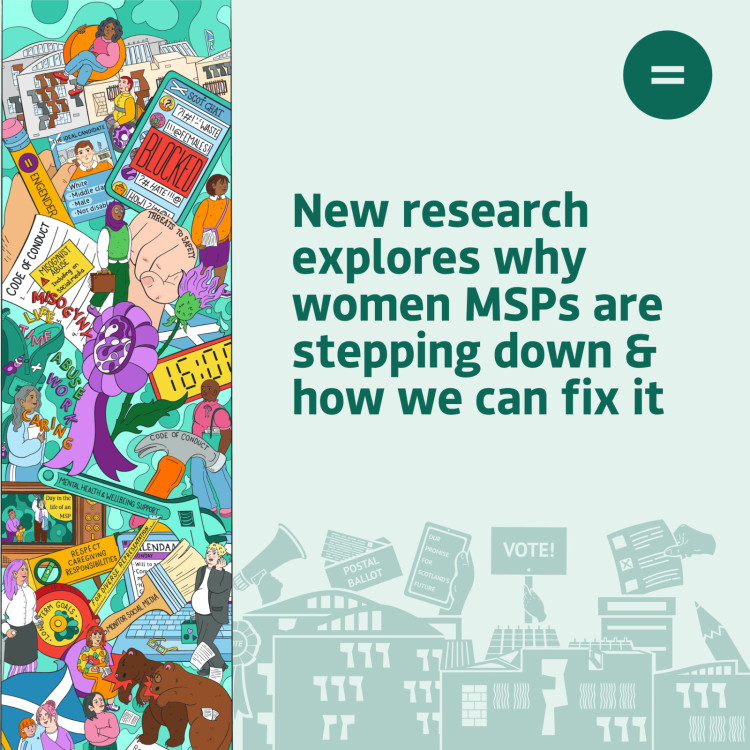
The upcoming elections are a crucial moment to ensure that our next intake of MSPs furthers women’s representation at the highest levels of decision-making, but our research shows that an unprecedented number of women MSPs are not seeking re-election.
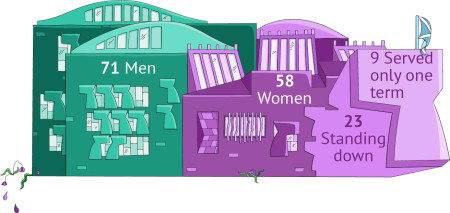 Out of 129 MSPs serving in the Scottish Parliament until March 2026, over a third announced that they would not stand for re- election in May 2026. Of the 40 MSPs who stood down, 23 were women (58%). Women made up 45% of the Scottish Parliament in March 2026. With 23 out of a total of 58 women MSPs standing down, this meant that 40% of women MSPs decided not to run again. Nine out of the 23 women who stood down were elected for the first time in 2021 meaning they served only one term in Parliament.
Understanding why women are standing down from elected office is essential in addressing persistent gender inequalities within democratic institutions and to ensuring that women’s perspectives continue to inform the decision-making that impacts their lives. We surveyed the women MSPs who had announced their intention to stand down to find out what factors were motivating their decision.
5 Reasons for women MSPs to stand down from elected office (from our survey)
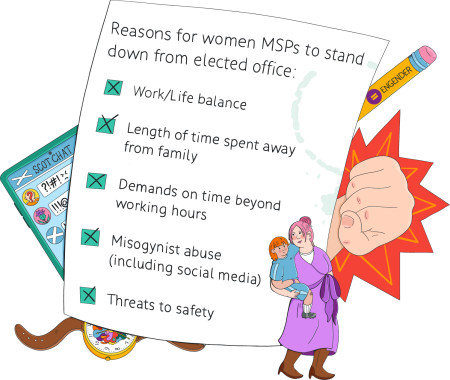 1. Work/Life balance
2. Length of time spent away from family
3. Demands on time beyond working hours
4. Misogynist abuse (including on social media)
5. Threats to safety
Women MSPs told us about their difficulty balancing work with caring responsibilities and the parliament’s lack of offering support to the barriers and misogyny women face on top of the busy lifestyle of a politician. These compounding impacts leave women vulnerable, and ultimately contribute to their decision to quit politics altogether.
Using input from women MSPs and building on work from Engender’s Equal Representation project, our paper contains recommendations for political parties, Scottish Government and the Scottish Parliamentary Corporate Body to increase women’s participation and retention, tackle violence against women, misogyny and abuse in politics, balance family life and work, and build long term culture change.
5 Key Recommendations
-
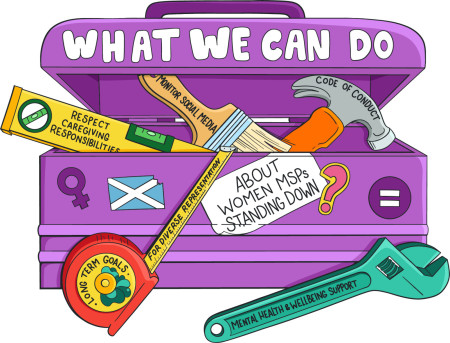 Ensure there is a Code of Conduct and bespoke policies for all members that prohibit gender-based violence and discrimination, and set out clear and transparent reporting processes.
 -
Together with Police Scotland, continue to raise awareness about Operation Ford and increase capacity so that all MSPs are adequately supported in monitoring their social media abuse and violence.
-
Provide access to mental health and wellbeing support for members who have experienced gender-based violence or discrimination.
-
Adapt party structures and ways of working to better accommodate women’s and caregivers’ needs, respecting family and caregiving responsibilities.
-
Agree long-term goals for diverse representation across local council, Holyrood and Westminster elections. Create accompanying strategies to guide work to achieve them. At all levels, foster a culture that takes proactive steps against sexism, racism, classism, ableism, transphobia and other intersecting discrimination.
Read the full paper including all the recommendations for action here.
“We can’t win here with someone who looks like her”: How we’re working to tackle barriers and improve women’s representation in politics
As part of Engender’s work on equal representation, we’re sharing this look into our recent research on women’s experiences in politics and how parties in Scotland are using positive action measures.
-700.png)
We know that the political arena is becoming increasingly hostile for women, and particularly marginalised women.
This year, we’ve released in-depth research into women’s experiences of political candidacy and the effect of positive action measures on women’s representation at all levels of our political system, and the findings are clear: women continue to face barriers and abuse as political candidates, and parties must take action to get more women elected.
Women’s underrepresentation means women’s voices and vital perspectives are pushed to the margins in politics. Here, we’re taking a moment to reflect on the stories, research, and voices that have shaped our work on women’s experiences in Scottish politics and how parties are utilising measures to increase women’s representation.
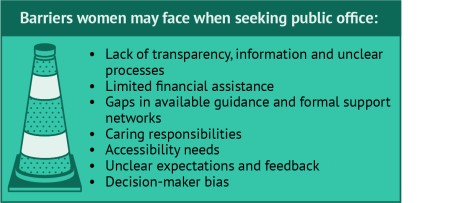 Navigating women’s political journey
Our Women’s Political Journey report laid bare the challenges women face at every stage of the political process, from deciding to stand, through vetting and campaigning, to life after election. Over 150 women shared their experiences of political candidacy with us in surveys and interviews, and the findings were stark: over 70% of respondents reported experiencing online harassment or trolling, and only 11% felt “very safe” during their campaign.
Sexist bullying, tokenistic attitudes toward positive action measures, and a lack of equalities monitoring continue to undermine progress. Disabled and minoritised women are particularly at risk, and many are left questioning whether politics is a space where they can truly belong. To see at least 50% women in our parliaments, it’s clear that we need to see a real culture change in ground-level politics first.
Read the full report here.
What it’s like to be a woman in politics
Alongside our research and report, we reached out to women from across Scotland’s political landscape, who shared their experiences of candidacy, campaigning, and politics in their own words. These interviews offered powerful testimonies highlighting frustration with biased systems, the need for resilience in the face of challenges and abuse, and hope for women’s representation in our next parliament and beyond.
-400.png) Kirsteen Sullivan MP spoke candidly about the steep learning curve of entering Parliament:
Kirsteen Sullivan MP spoke candidly about the steep learning curve of entering Parliament:
“It’s very daunting to become an MP—nothing can prepare you for it. You need sharp elbows.”
She reflected on the importance of representation, especially for working-class women and young girls who rarely see themselves in politics.
Sally Donald, a candidate for Holyrood 2026, highlighted the joy of connecting with voters and the barriers faced by neurodivergent women:
“If we don’t have autistic people in parliament, we can’t make politics for them.”
Cllr Laura Murtagh from Falkirk, shared her journey balancing motherhood and politics, and the gendered expectations that persist:
“Nobody asks the man how he can manage politics while having kids.”
She reminded us of the strength found in women’s support networks and the need to stand firm in the face of negativity.
Cllr Fatima Joji from Aberdeenshire, spoke about the weight of intersecting identities and the lack of safe reporting mechanisms for abuse:
“If you feel like you don’t see a person like you—be the first.”
You can catch up with these videos offering a unique lens into the lived realities of women in politics online here.
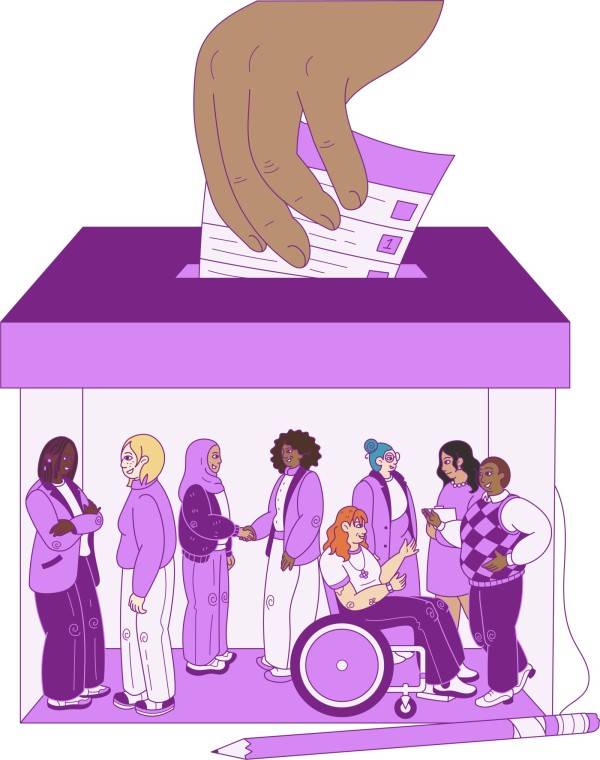
What works in getting more women elected?
Our research has shown that the political journey for women is stacked with obstacles, but we’ve also explored how Scottish political parties use quotas and positive action measures for women’s representation. Our Beyond Promises report shows that consistent use of these tools leads to better representation, but also that tokenism, cultural resistance, and lack of intersectionality continue to hold us back.
Drawing on data from three election cycles, data shows that consistent use of positive action measures correlates with higher levels of women’s representation. In 2021, women made up 45% of MSPs - the highest in Scottish Parliament history - largely due to quota use by some parties. However, no party has achieved gender parity across all levels of government, and the underrepresentation of Black and minority ethnic, disabled, and younger women remains stark.
Read the full report here.
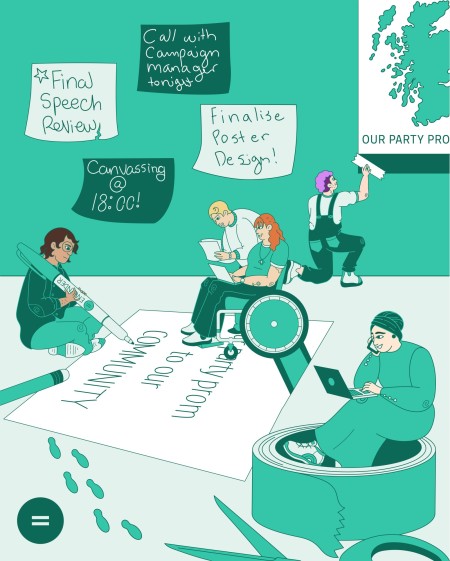 How to remove barriers and improve women’s representation
We know that greater diversity at all levels of politics in Scotland enriches policy decisions and improved democracy, benefitting everyone. We’re urging political parties, governments, councils, and other stakeholders to implement measures and commit to equal and diverse representation, including:
-
Enacting Section 106 of the Equality Act, obliging parties to publish candidate diversity data.
-
Committing to long-term strategies on quotas and positive action measures across election cycles, focusing on winnable seats for women, including at local authority level
-
Making accessible information available about all aspects of candidacy and elected office
-
Working to build a party culture that takes pro-active steps against sexism, racism, classism, ableism, transphobia, and other intersecting discrimination.
-
Exploring ways to include minoritised, disabled, and intersectional groups in strategies around positive action measures.
We need your support to engage politicians and decision-makers and demand action on equal representation. The upcoming Holyrood elections in 2026 and local elections in 2027 are a critical opportunity to create meaningful change in selection and election processes to see gender equal representation become a reality.
We’ll be working with women across Scotland and the UK to continue to call for the change we need to improve women’s representation, so watch this space for how you can get involved and take action.
Engender launches report on how parties can take action to get more women elected
Today, Engender launches our new report “Beyond Promises: What works in getting more women elected”, exploring the use and impact of gender quotas and other Positive Action Measures (PAMs) in Scottish political parties. Find out more about the report below.
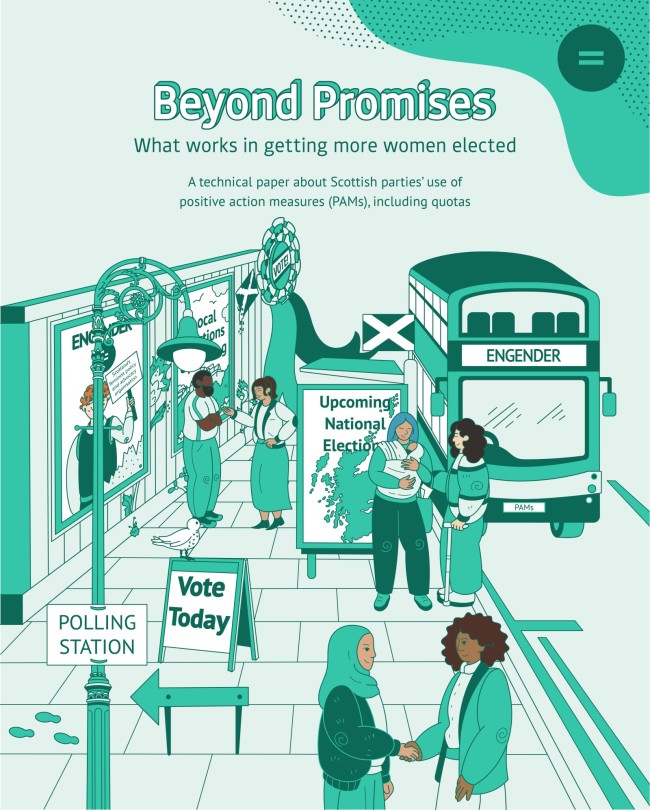
The message is clear: women bring essential perspectives to politics, but they are still being pushed to the margins.
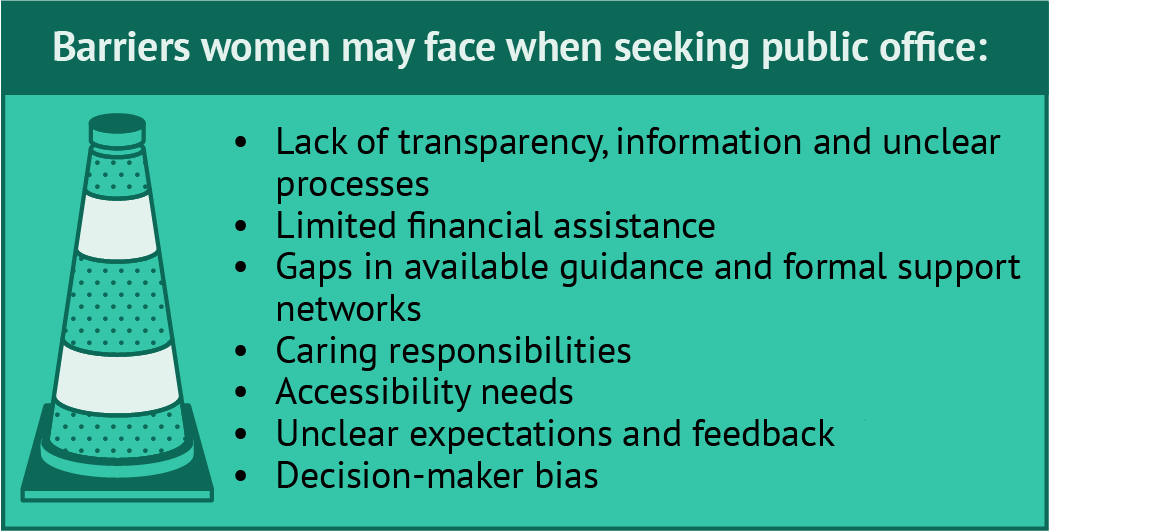 Consistent use of positive action tools leads to better representation, but tokenism, cultural resistance, and lack of intersectionality continue to hold us back. From social media abuse to internal party resistance, the barriers are systemic and deeply entrenched. Yet, women also spoke of passion, purpose, and the drive to make politics better—not just for themselves, but for those who come after.
Drawing on data from three election cycles (Holyrood 2021, Scottish Local Elections 2022, and UK General Election 2024), alongside survey responses from 159 women and 15 in-depth interviews, the report provides a detailed analysis of how PAMs have shaped women’s political representation in Scotland.
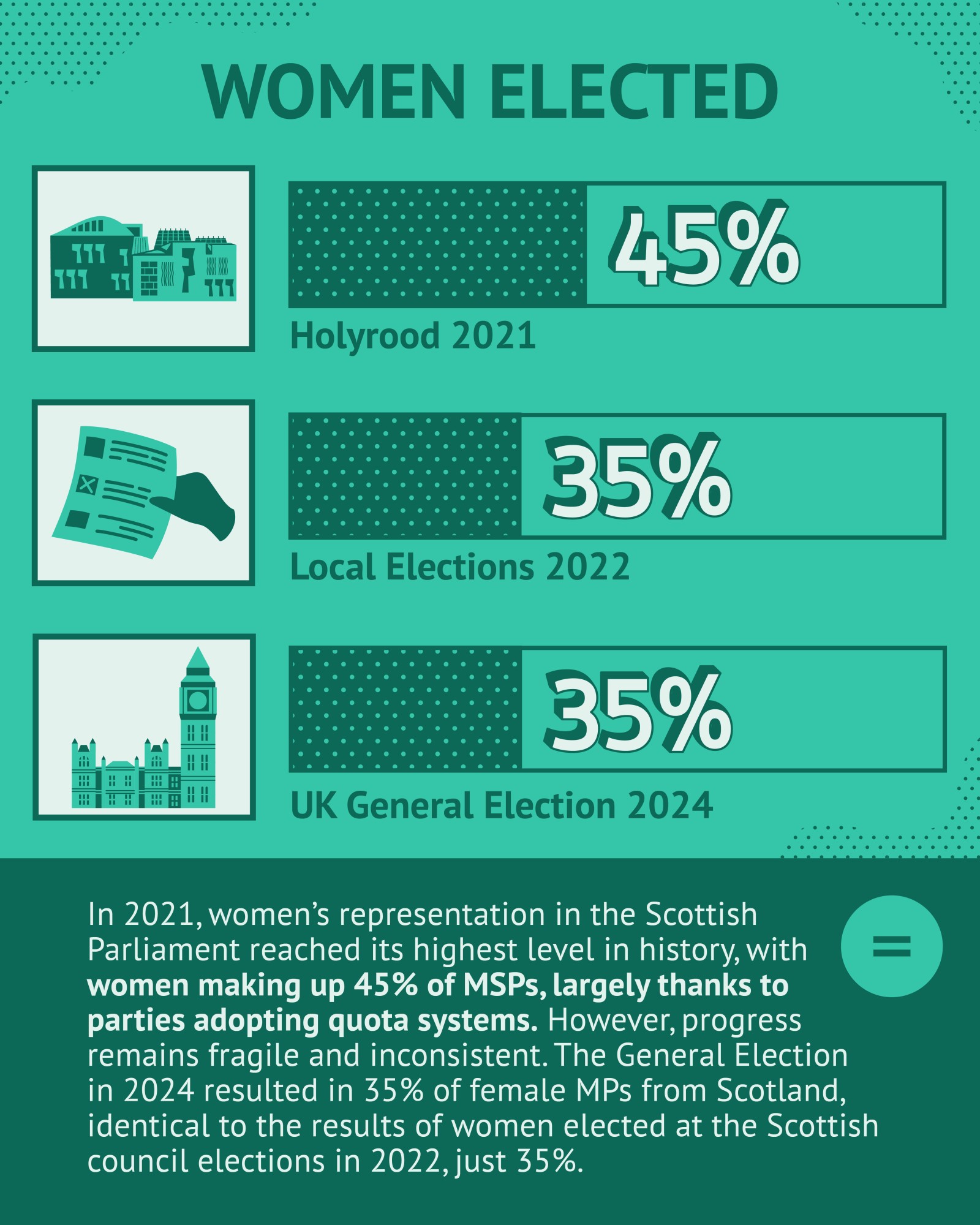 Quotas and PAMs are effective tools: The consistent use of PAMs correlates with higher levels of women’s representation. In 2021, women made up 45% of MSPs - the highest in Scottish Parliament history -largely due to quota use. However, this progress is fragile: women made up only 35% of Scottish MPs in the 2024 General Election and 35% of councillors in 2022, where PAMs were inconsistently applied.
- No party has achieved gender parity across all levels of government, and the underrepresentation of Black and minority ethnic, disabled, and younger women remains stark.
- Inconsistent application of PAMs leads to regression.
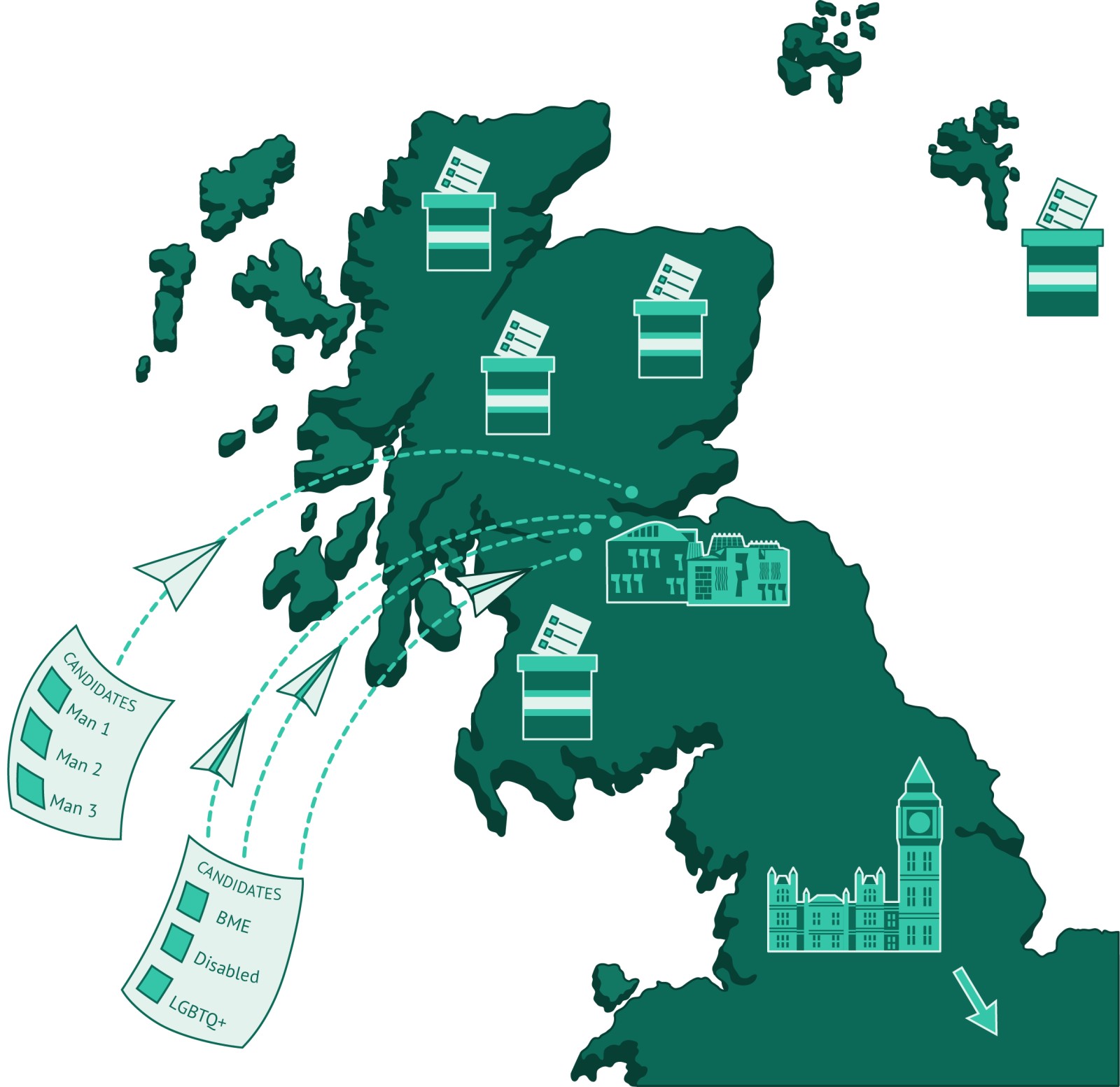
- Labour and the Greens have a stronger track record with all-women shortlists, zipping and twinning, but remain inconsistent on a local level.
- The SNP increasingly uses PAMs and has attempted to support disabled and minority ethnic candidates specifically, but the approach is not as consistent as necessary or is often applied in unwinnable seats.
- The Liberal Democrats’ approach to implementing gender-balancing quotas has been mixed. Without a consistent framework, it heavily relies on individual internal champions.
- The Conservatives often demonstrate opposition to quotas. However, some members are critical of this attitude and wish for internal reform.
The evidence is clear: PAMs work, but only when applied consistently, strategically, and with a commitment to intersectionality, focusing on Black and minority ethnic, disabled and young women. Together, we can make politics a place where all women belong.
 Equal Representation Development Officer Noomi Anyanwu states:
“As Scotland approaches the 2026 and 2027 elections, political parties face a critical opportunity to embed meaningful change. Without action, recent gains risk being reversed.
Some cross-cutting challenges when it comes to the application of positive action measures (PAMS) include tokenistic use of PAMs, cultural resistance within parties to their application, lack of intersectional approaches, the importance of local politics and legal uncertainty.
The women we talked to told us that representation matters. That support networks matter. That visibility matters. And that change is not only necessary—it’s urgent.”
Read the full report including vital recommendations for action here.
Invitation to Tender: Equal Representation 2025/26 Candidate Research.
-750.png)
Engender’s Equal Representation in Politics Project aims to help create a Scotland where there is sustainable equal representation of women in all their diversity in politics, ensuring women’s perspectives shape decision-making, reducing gender inequality, and creating better outcomes for women and society.
The project seeks to create change by encouraging all those who hold power to shape the political landscape, including political parties, councils, government, and parliament, to take action to increase the representation of women and improve levels of diversity among women’s representation.
We are seeking a consultant:
- To review and collate a list of women MSPs who have publicly stated that they intend to stand down before the Holyrood 2026 elections.
- To review and collate the reasons given publicly by these MSPs for reaching the decision to stand down.
- To compile a list of candidates for each major party for the Holyrood 2021, broken down by protected characteristic where possible.
- To compile a list of candidates for each major party for the Holyrood 2026, broken down by protected characteristic where possible.
- To create and circulate a survey, and analyse and collate findings, of all women MSPs standing down on the factors that influenced their decision.
The deadline for tenders to be submitted is 5pm, Monday 15th September.
Please find all the details and how to apply, here.
Engender launches report on women’s experience of the election process
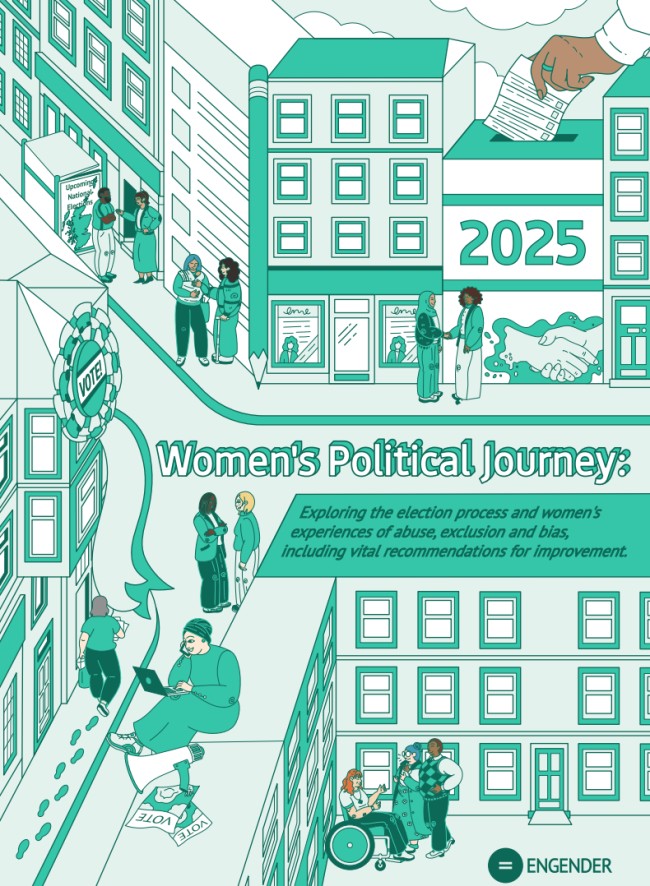
Today, Engender has launched a new report: Women’s political journey: Exploring the election process and women’s experiences of abuse, exclusion and bias, including vital recommendations for improvement. Find out more about the report below.
“Someone said to me [during the election] and I quote, ‘we can’t win here with someone who looks like her.”
The political arena is becoming increasingly hostile, especially for women and marginalised women. 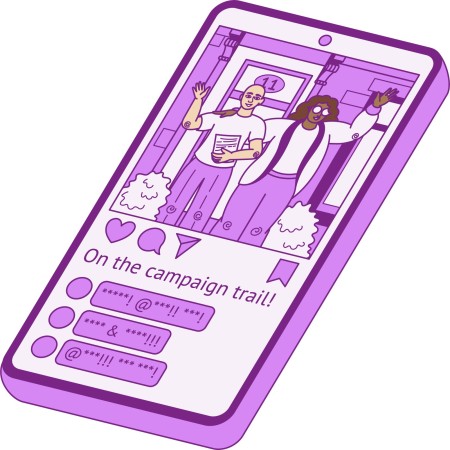 Engender’s new report ‘Women’s Political Journey’ explores the candidate journey—from preparing to stand as a candidate, including all the interview and vetting processes, to being elected and what happens after.
There is still an image of the ideal candidate as white, middle-class, able-bodied, and male. For anyone who falls outside these categories, this means being prepared for additional barriers.
Our report shows that over 70% of respondents to a question on forms of abuse reported experiencing online harassment or trolling during their campaign. Only 11% felt “very safe” during their campaign period.
A survey respondent told us:
“I have been spat on, shouted at, abused and physically shoved countless times.”
Sexist bullying is a persistent problem within some branches and local parties, with findings indicating that disabled and minoritised women may be at increased risk. These experiences can cause women to question their positions and political futures. It is widely recognised that social media presents significant risks for women in politics, with Black and minority ethnic women at greatest risk.
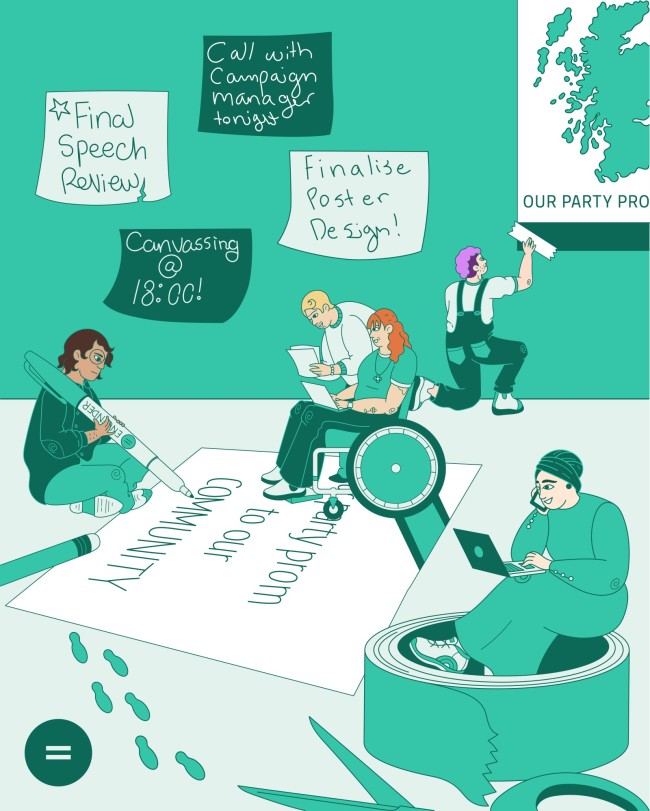
57% of our survey respondents felt that positive action measures (PAMs) like quotas or all-women shortlists are ‘resented’ by some party members who feel their use is unfair or unnecessary. As has been reported to us, white men especially refuse to make space for other groups if it means sharing their privilege. Others reported only tokenistic acceptance of PAMs, reducing the ultimate impact of measures.
Very few parties are consistently collecting equalities monitoring information on prospective candidates. This is vital when it comes to ensuring candidate diversity and proportionate representation of Scotland’s communities.
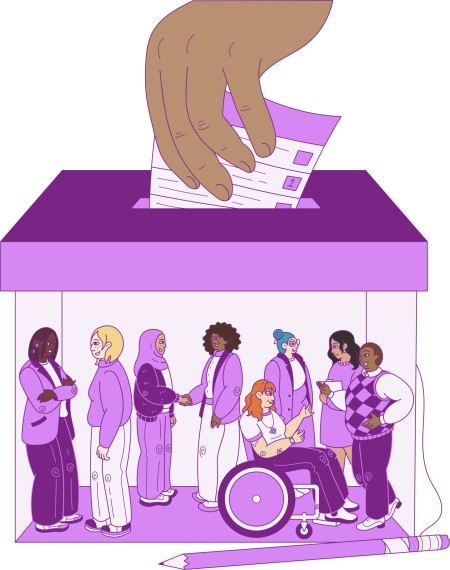 Equal Representation Development Officer Noomi Anyanwu states:
“Abuse, lack of support, and biases were reported widely among our survey participants and interviewees. Nearly 30% would not recommend candidacy to underrepresented groups. It’s understandable considering what women must endure to make it as politicians, but we don’t want to settle for this.”
“Change needs to happen, so we urge political parties, governments, councils, and other stakeholders to implement measures and commit to equal and diverse representation. I want to see at least 50% women in our parliaments—for that to happen, we need to see a real culture change first.”
Read the full report including vital recommendations for action here.
 RSS
RSSDownloads
 Engender Briefing: Pension Credit Entitlement Changes
From 15 May 2019, new changes will be introduced which will require couples where one partner has reached state pension age and one has not (‘mixed age couples’) to claim universal credit (UC) instead of Pension Credit.
Engender Briefing: Pension Credit Entitlement Changes
From 15 May 2019, new changes will be introduced which will require couples where one partner has reached state pension age and one has not (‘mixed age couples’) to claim universal credit (UC) instead of Pension Credit.
 Engender Parliamentary Briefing: Condemnation of Misogyny, Racism, Harassment and Sexism
Engender welcomes this Scottish Parliament Debate on Condemnation of Misogyny, Racism, Harassment and Sexism and the opportunity to raise awareness of the ways in which women in Scotland’s inequality contributes to gender-based violence.
Engender Parliamentary Briefing: Condemnation of Misogyny, Racism, Harassment and Sexism
Engender welcomes this Scottish Parliament Debate on Condemnation of Misogyny, Racism, Harassment and Sexism and the opportunity to raise awareness of the ways in which women in Scotland’s inequality contributes to gender-based violence.
 Gender Matters in Social Security: Individual Payments of Universal Credit
A paper calling on the Scottish Government to automatically split payments of Universal Credit between couples, once this power is devolved to the Scottish Parliament.
Gender Matters in Social Security: Individual Payments of Universal Credit
A paper calling on the Scottish Government to automatically split payments of Universal Credit between couples, once this power is devolved to the Scottish Parliament.
 Gender Matters Manifesto: Twenty for 2016
This manifesto sets out measures that, with political will, can be taken over the next parliamentary term in pursuit of these goals.
Gender Matters Manifesto: Twenty for 2016
This manifesto sets out measures that, with political will, can be taken over the next parliamentary term in pursuit of these goals.
 Scottish NGO Briefing for UN Special Rapporteur on Violence Against Women
Joint briefing paper for the UN Rapporteur on Violence Against Women.
Scottish NGO Briefing for UN Special Rapporteur on Violence Against Women
Joint briefing paper for the UN Rapporteur on Violence Against Women.

Newsletter
Sign up to receive our newsletter here:
Sign up to our mailing list
Receive key feminist updates direct to your inbox: